
Start with the numbers a workshop can quote from
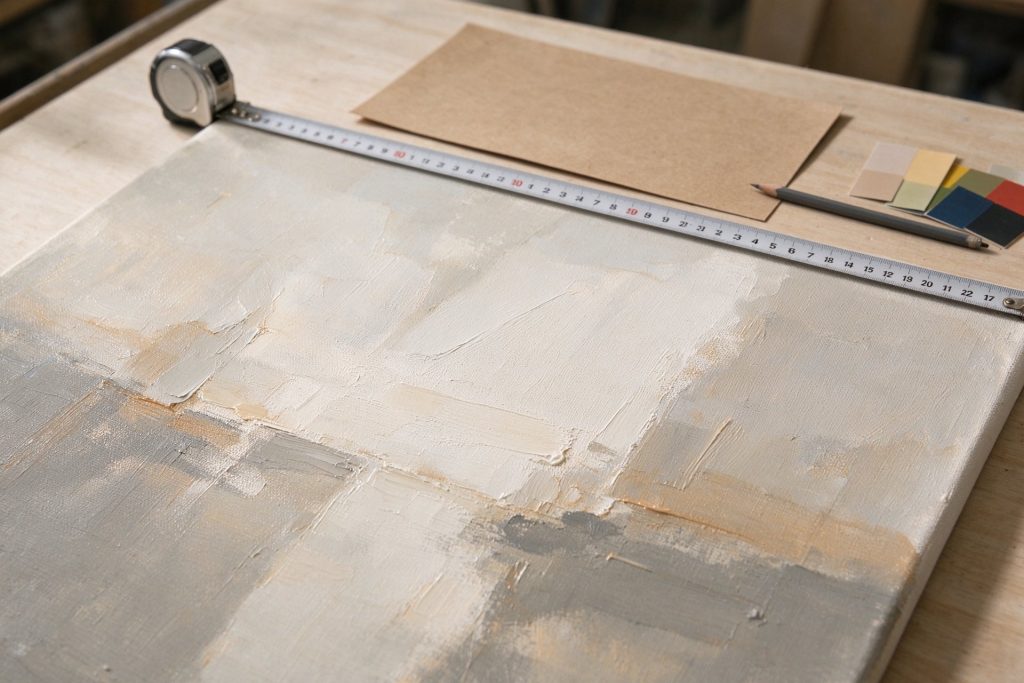
A custom wall art request that arrives with only a mood board and “something in blue” leaves every dimension open. Give the finished size rather than just the image size, state the orientation, list the quantity for each design, and say whether the piece is stretched, framed, or supplied as a rolled canvas. Always name the unit – centimetres or inches – and flag any wall recess or fixed opening where a size tolerance matters. For a diptych, a triptych, or a coordinated corridor set, list each panel on its own line and describe how the panels should line up. These are the inputs that let a workshop plan a job without a second round of questions.
Reference images: show the subject, then the surface
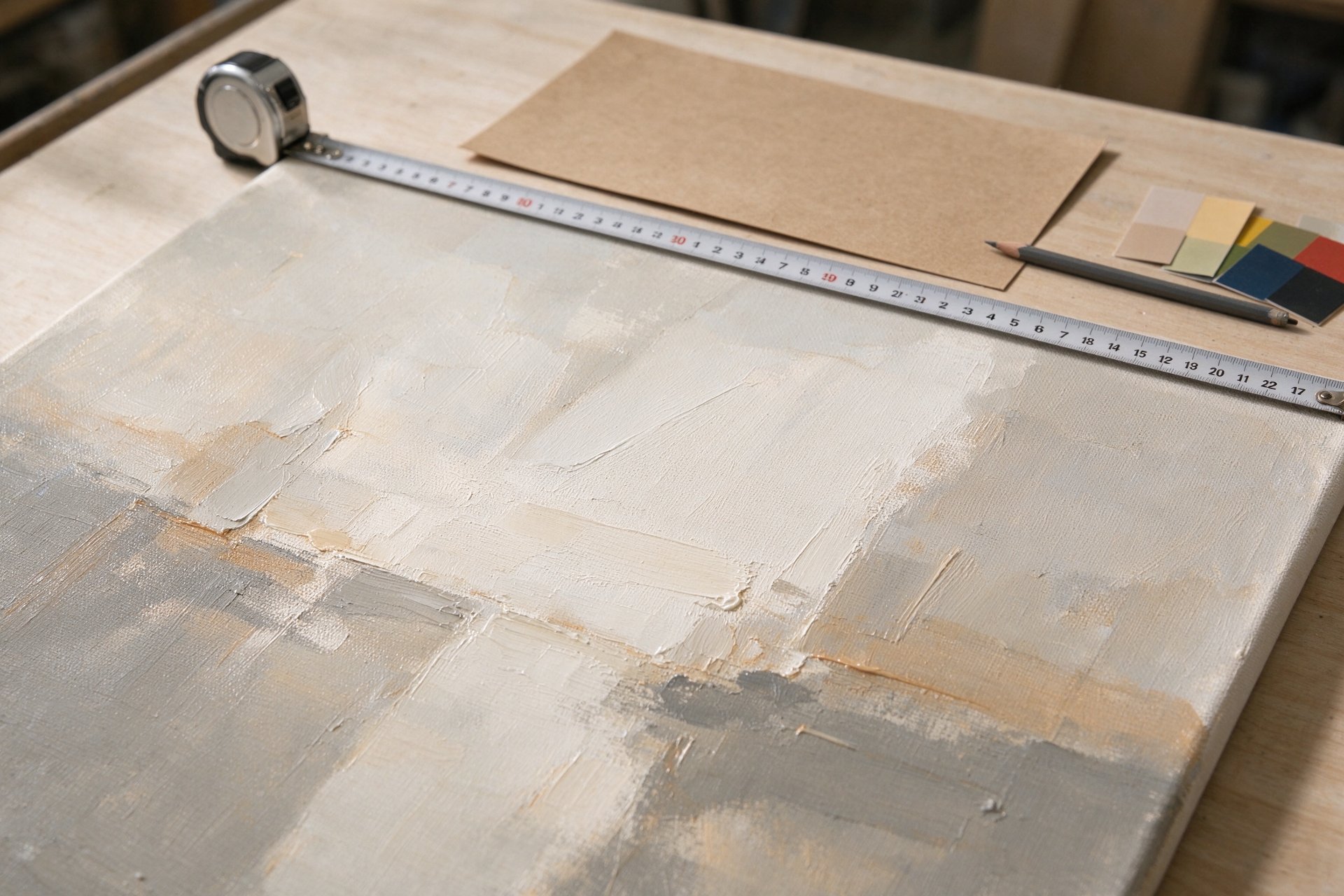
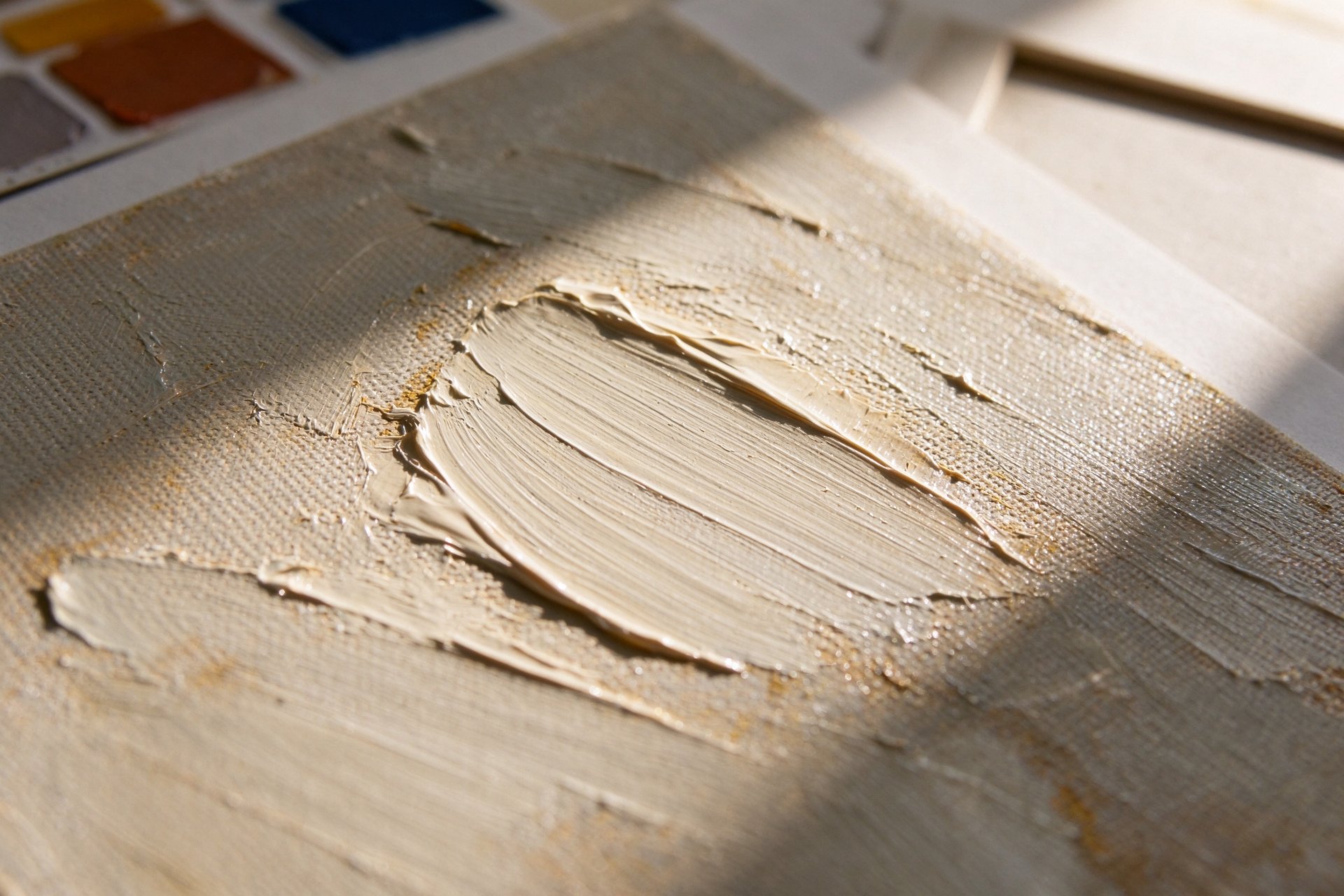
Send one image for the composition and, where possible, a second close-up of the paint handling you expect – visible brushwork, palette-knife relief, or a flatter, more even finish. Label each file so nobody has to guess which image is the brief. Describe the colour direction in plain words such as warm neutrals, muted greens, or high contrast, instead of a screen-only colour value, because displays and lighting rarely agree. If the edge treatment matters – a gallery wrap that carries the image around the sides, or a clean painted edge – note it here too.
Agree the approval path before production starts
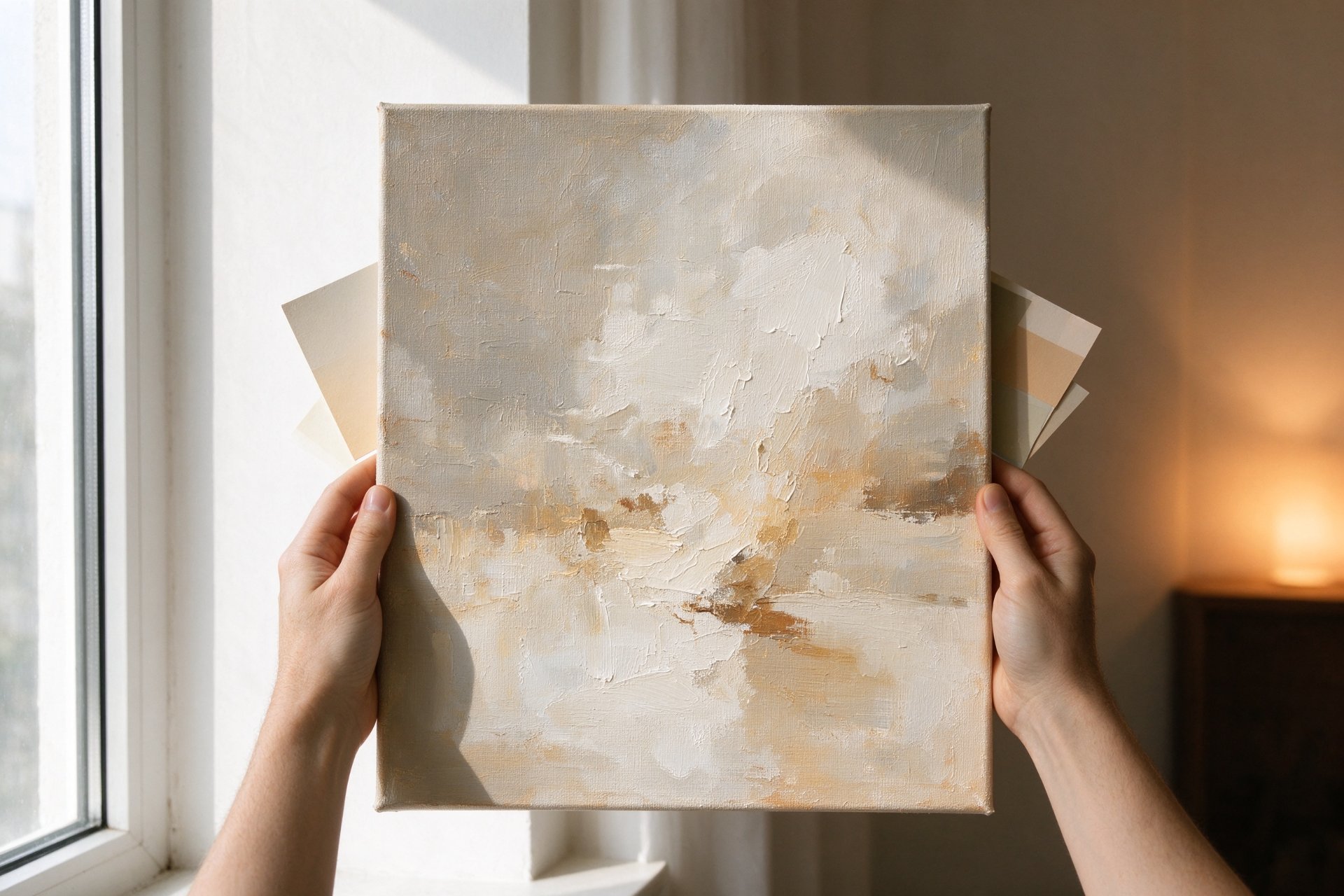
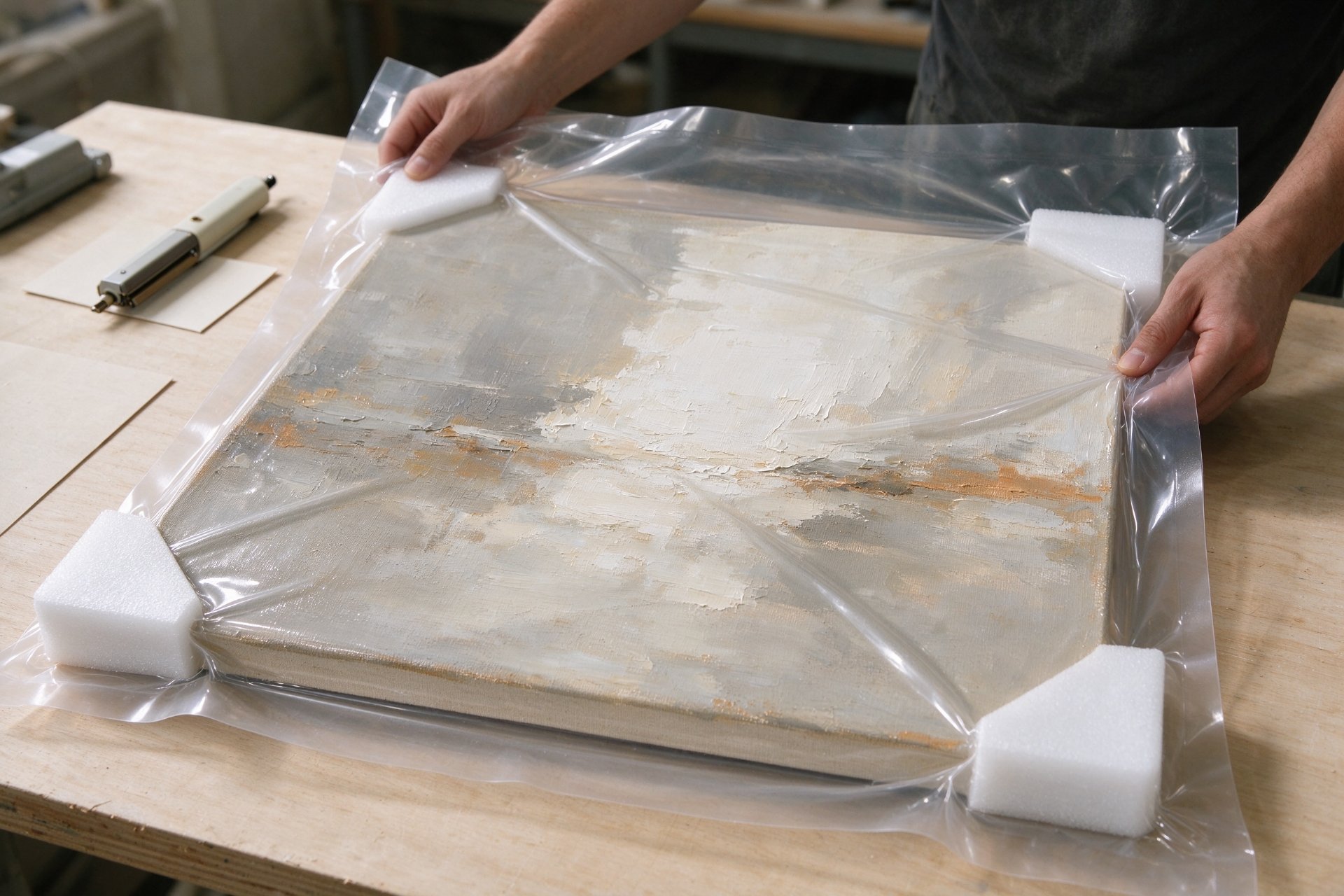
For custom and bulk orders, one approved sample keeps the rest of the run from drifting. Ask for a photo of the finished sample under neutral daylight and another under the warm lighting used on site; hand-painted colour reads differently in each. Record who signs off and keep that sample, or its dated photo, as the reference for the batch. If the pieces will travel a long distance, confirm the packing spec at the same time. For our own orders that is a vacuum-shrunk plastic bag with corner protectors fitted before shrinking, so it is worth checking that the approval photo and the packed unit describe the same product.
What a complete inquiry contains
- Finished size, orientation and quantity per design, with units stated
- Stretched, framed or rolled, plus the edge treatment for stretched pieces
- One composition reference and one surface or texture close-up
- Colour direction in plain words, and the lighting the art will be seen under
- Who approves the sample, and what the approval photos should show
- Project context, such as a hospitality install or a retail rollout, that affects how a set hangs together
Keep it to one written brief
Put all of this into a single spec sheet or one message rather than a long chat thread, so the version being quoted is the version being painted. Jinyi Art has produced hand-painted oil paintings and canvas wall art for wholesale and custom orders from its Fuzhou factory since 1998, and the briefs that are easiest to act on always arrive as one clear document. You can review the formats we work with on the products page or read about our Fuzhou factory before sending yours.